 (Image source: Gemini)
 Are you renovating your home for yourself or for the next person who holds the keys? It is a question every homeowner asks eventually. You want a kitchen that makes you feel like a professional chef on a Tuesday night, but you also don't want to dump $80,000 into a project that only adds $40,000 to your home's resale value. In the current 2026 housing market, the smartest moves are the ones that serve both masters. It's about finding the sweet spot between financial return and what experts call the Joy Score. This score measures how much more you actually want to be in your home after a project is finished.
Recent data shows that 64% of homeowners feel a massive spike in happiness after completing a major renovation. But happiness doesn't pay the mortgage. You need to know which upgrades offer the best return on investment (ROI) so you aren't just throwing money at a wall.
Setting realistic expectations is the first step. Budget management is harder than it used to be, and project timelines are still a bit unpredictable. Think of your renovation plan like a financial portfolio. You want some high-risk, high-reward projects (like a primary suite addition) balanced with "safe" investments (like a new roof or garage door). If you plan to stay in your house for another ten years, your personal comfort should take the lead. If you're looking to sell in eighteen months, your focus should shift entirely to what a buyer wants to see.
High Impact Kitchen and Bathroom Refreshers
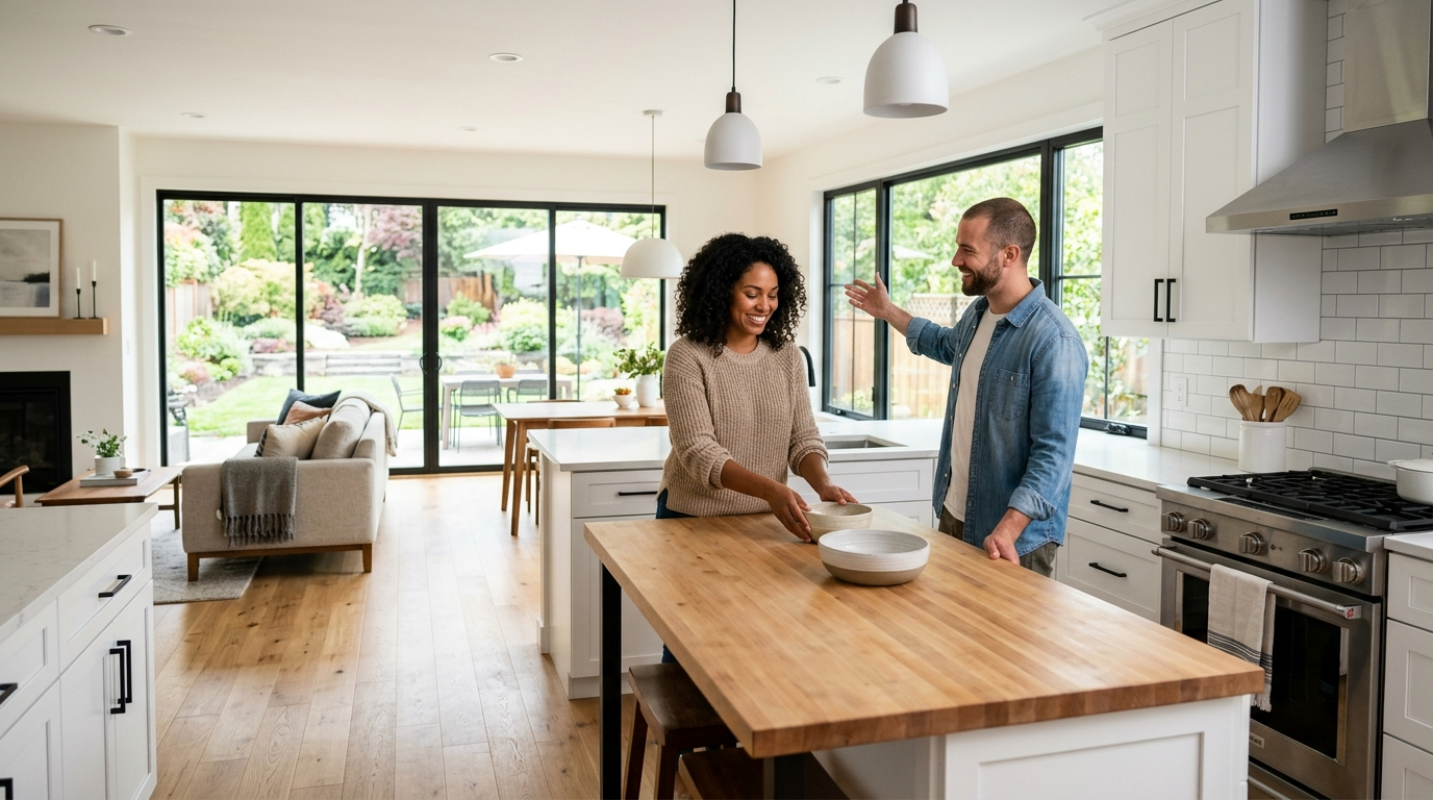
You've heard it a thousand times because it's true: kitchens sell houses. But in 2026, the "full gut" remodel is taking a backseat to the "minor" refresh. Why? Because a minor kitchen remodel is currently seeing an ROI of over 107%. That is a better return than almost any other interior project. Instead of tearing out perfectly good cabinets, homeowners are refacing them, swapping out old hardware for modern matte finishes, and installing quartz countertops.
One of the biggest trends we're seeing right now is the rise of the scullery. Think of it like a "dirty kitchen" or a secondary prep space. It's a small area where you can hide the toaster, the blender, and the messy dishes when you're hosting a dinner party. Listings that mention these secondary spaces are seeing a significant boost in interest.² It's a luxury touch that buyers are starting to expect in higher-end properties.
Bathrooms are the next priority. The goal here isn't just cleanliness, it's a spa-like atmosphere. Buyers are looking for a retreat from the world. This means dual sinks are a must, as are walk-in showers with integrated seating. We're also seeing a huge surge in wellness technology. Smart toilets and touchless faucets aren't just gadgets anymore. They're becoming standard features for anyone looking to future-proof their home value.²
Prioritizing Energy Efficiency and Sustainability
The conversation around green homes has changed. It's no longer just about saving the planet. It's about saving your bank account. With home insurance premiums climbing steadily over the last few years, buyers are looking for "hardened" homes that are built to last. Climate resilience is a major factor in property valuation now. Every dollar you spend on making your home more resilient can save you up to $11 in avoided future losses.⁷
Upgrading your windows, insulation, and HVAC systems might not be as exciting as a new backsplash, but it's a financial powerhouse. Energy Star-rated windows offer a solid 72.3% ROI, while something as simple as attic insulation often pays for itself entirely in energy savings and resale value. People want to know their utility bills won't skyrocket the moment they move in.
Then there's the tech side of things. If you don't have a Level 2 electric vehicle (EV) charger in your garage yet, you might be leaving money on the table. Homes equipped with EV infrastructure are seeing price premiums between 3.3% and 5.8%.⁴ It's the digital equivalent of having a private gas station. When you combine that with smart home technology like automated thermostats and leak detectors, you're creating a home that is both convenient and incredibly efficient.
Getting the most from Functional Living Space
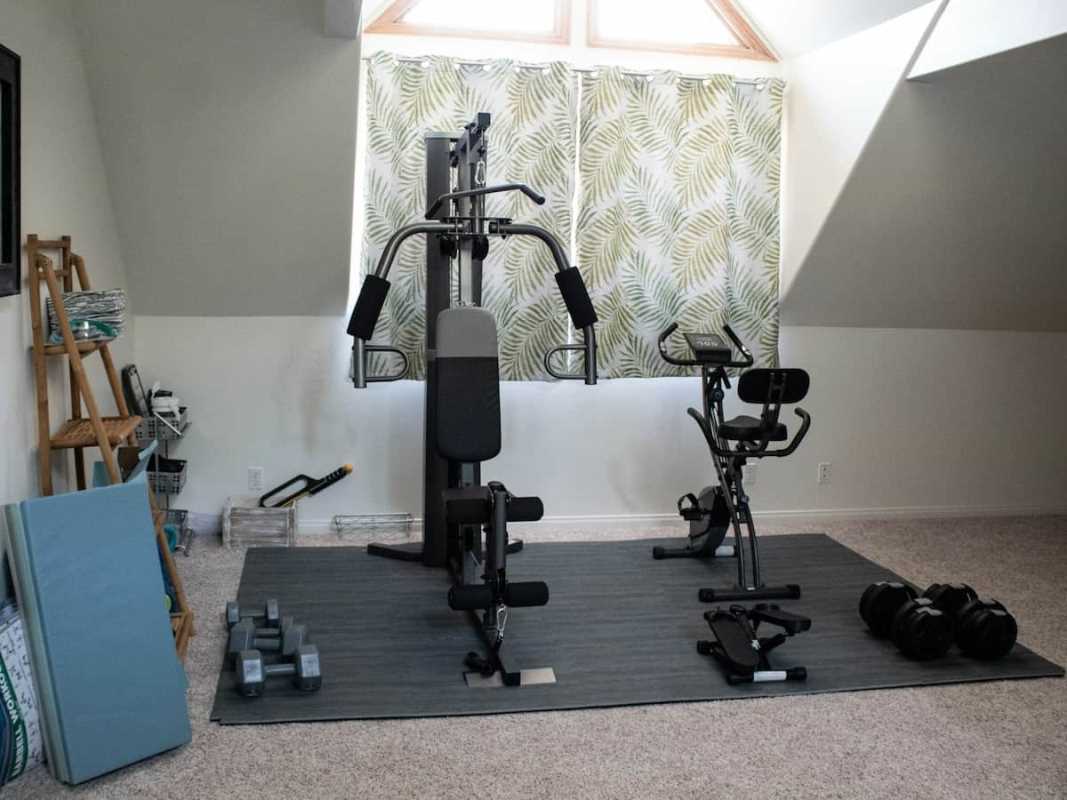
Have you ever looked at your basement or attic and just looked at it as a place to store old holiday decorations? That's wasted money. Converting underused areas into usable living space is one of the most effective ways to increase your home's perceived square footage. In 2026, people aren't just looking for more rooms. They're looking for flexible rooms. A basement that can be a home office, a gym, or a guest suite is worth its weight in gold.
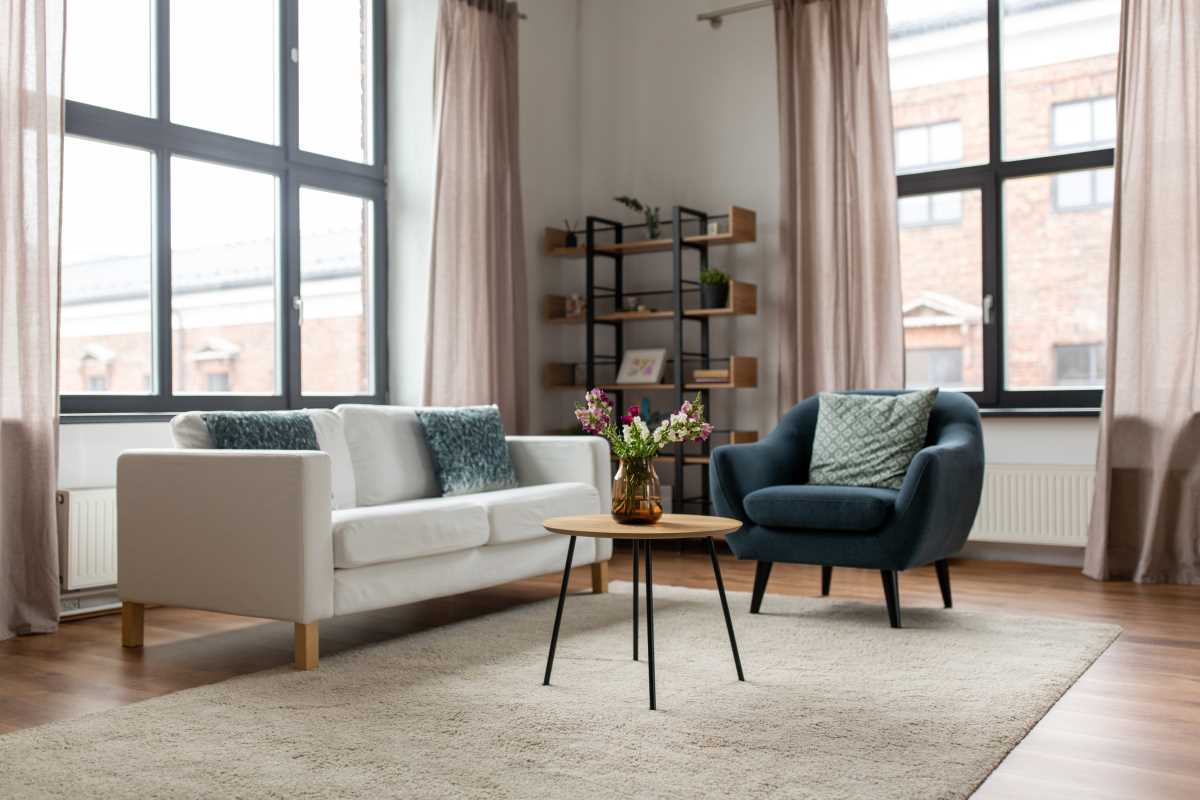
The open-concept floor plan is still the king of modern lifestyles, but it's changing. People still want that flow between the kitchen and the living room, but they also want "away spaces" where they can take a Zoom call in peace. It's about balance. If you're knocking down walls, make sure you aren't sacrificing every bit of privacy in the process.
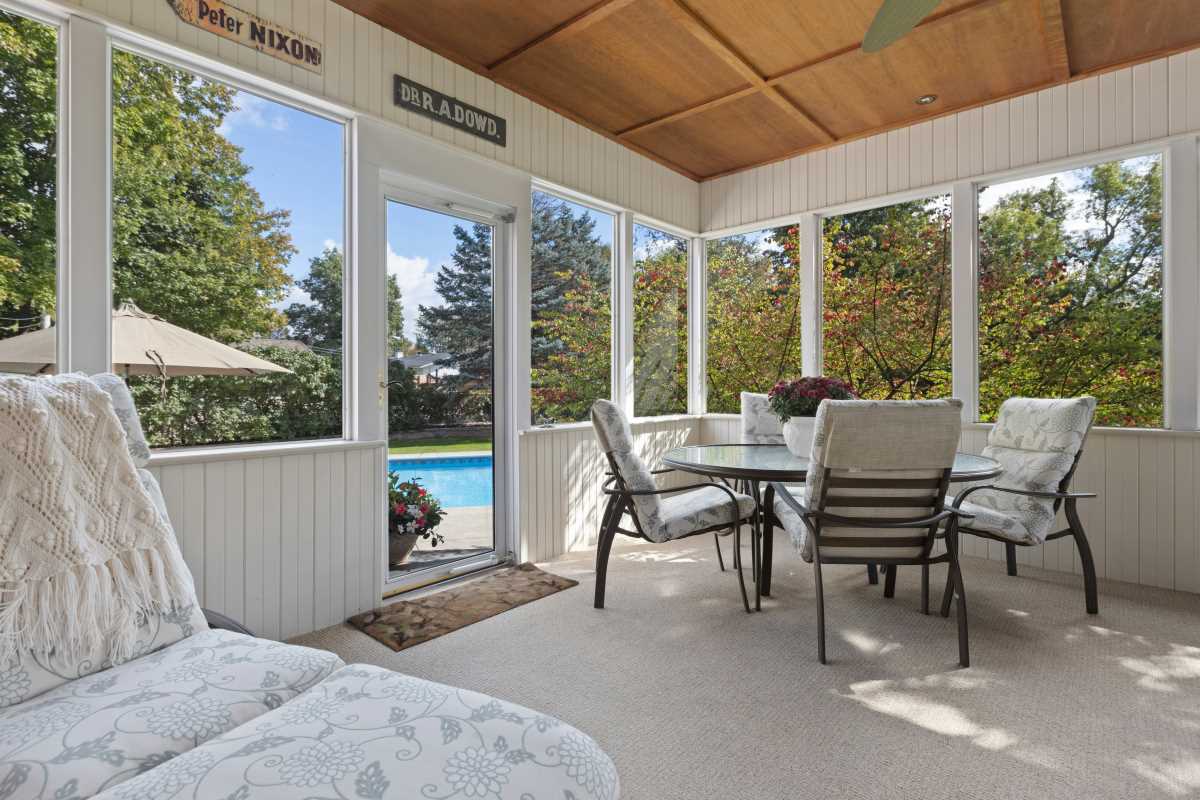
Don't forget to look outside. Adding a deck or a patio is one of the fastest ways to make a house feel bigger than it actually is. Outdoor living spaces are no longer just a luxury. They're a requirement for many buyers. Whether it's a simple stone patio or a full outdoor kitchen, these spaces allow you to entertain and relax without the massive cost of a structural addition.
Curb Appeal and the First Impression Factor
First impressions are everything in real estate. You could have a gold-plated kitchen, but if the front of your house looks like a haunted mansion, buyers won't even walk through the door. The good news is that exterior projects often have the highest ROI of all. Take the garage door, like. It can take up to a third of your home's front facade. Replacing an old door with a modern, insulated model is currently seeing an ROI of a staggering 268%.¹
Other low-cost, high-impact improvements include
- Steel Entry Door: Replacing your front door with a steel version offers an ROI of around 216%. It improves security and looks great.
- Fresh Landscaping: A clean, professional look can add thousands to your valuation for a relatively small investment.
- Exterior Lighting: This improves safety while making your home look spectacular at night.
- Manufactured Stone Veneer: Adding stone accents to your exterior can return over 200% of its cost.
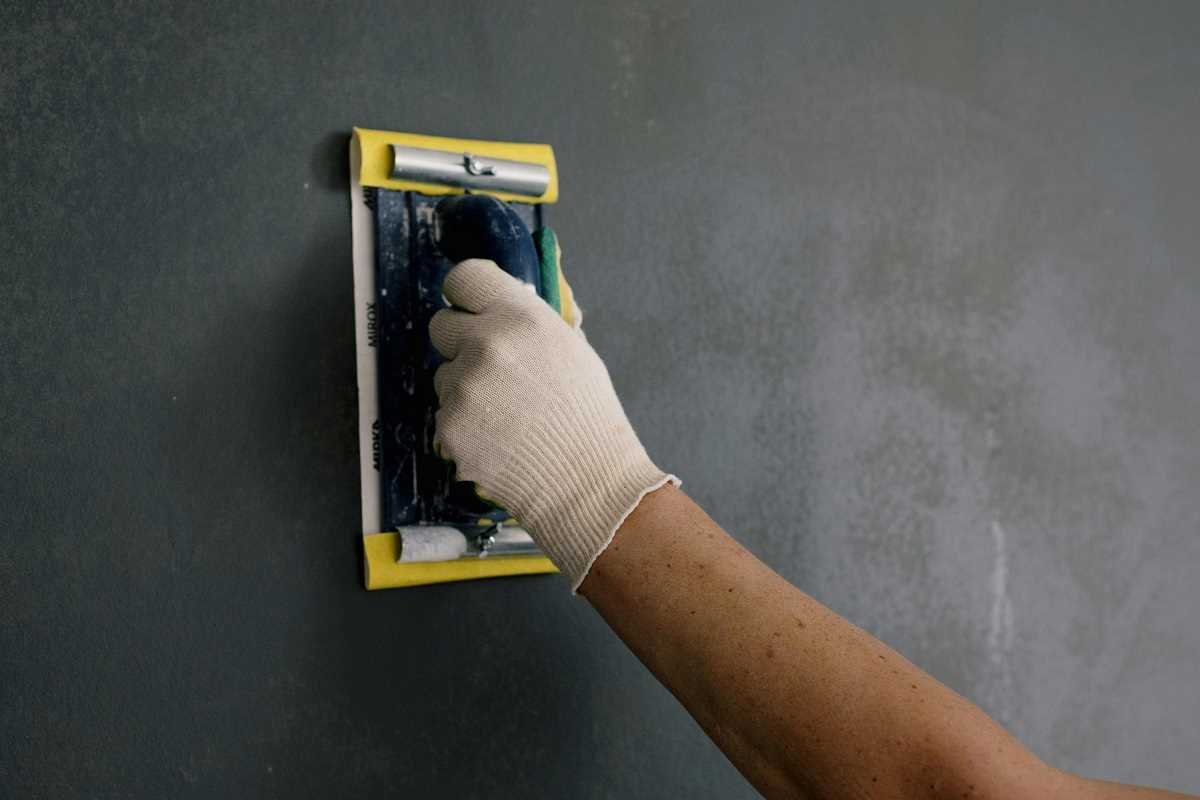
If you're looking for a "quick win" before selling, never underestimate the power of a deep clean and a fresh coat of paint. Zillow actually cites a professional deep clean as the single most cost-effective "renovation" you can do. And if you're painting the front door, consider black. It's a classic choice that can add an estimated $6,450 to a home's sale price just by making the entrance look more sophisticated.
Planning for Long-Term Value
When you're deciding which project to tackle next, you have to look at your timeline. If you're staying for five years or more, go for the projects that give you the most daily comfort, like that spa-style bathroom or the open-concept kitchen. If you're leaving soon, stick to the "Big Winners" on the exterior and the minor cosmetic refreshes inside.
One final piece of advice: don't over-improve for your neighborhood. This is known as the 30% rule. Experts generally advise against spending more than 30% of your home's current market value on a total renovation. If every house on your block is worth $400,000 and you spend $200,000 on upgrades, you'll never get that money back. The house becomes "too expensive" for the area.
Whether you decide to go the DIY route for small projects or hire professionals for the heavy lifting, focus on function over flash. The 2026 buyer is looking for storage, flow, and move-in ready condition. They want a home that requires zero immediate work because interest rates and life are already busy enough. If you can provide a home that feels both modern and manageable, you'll win every time.
This article on Houseperk is for informational and educational purposes only. Readers are encouraged to consult qualified professionals and verify details with official sources before making decisions. This content does not constitute professional advice.